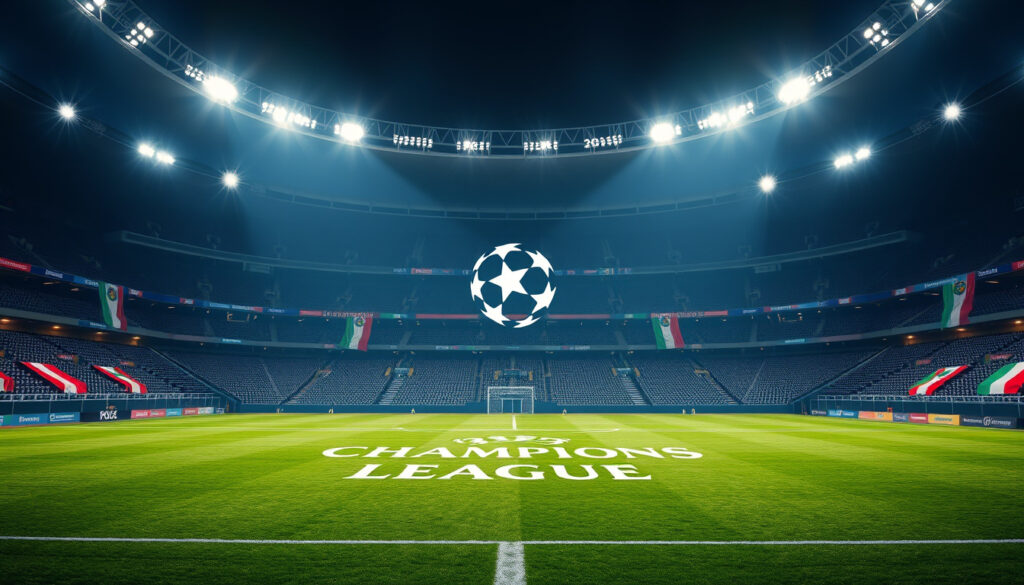
Squadre italiane Champions 2025/2026: quali sono e dove vederle
. Also need intro p with those attributes, stats line, snapshot block with 4 cards, key facts table, H2s, blockquotes (2-4 from >=2 speakers), FAQ with >=5 details. The raw article has all that, but we need to verify snapshot block has exactly 4 cards with n24-card-num 1-4. It does: 4 cards numbered 1-4. Good. Stats line present. Key facts table present. H2s: there are H2s: “Panoramica rapida”, “Quali sono le squadre italiane…”, etc. But the contract’s must_cover_questions list: we need to ensure every question appears as H2 or H3. The raw article has H2s: “Quali sono le squadre italiane che fanno la Champions League?”, “Quante squadre italiane in Champions League 2026-27?”, “Quante Champions League hanno vinto le italiane?”, “Come funziona la nuova Champions League 25-26?”, “Canale 5 trasmetterà la Champions?”, “Dove vedere PSG Inter in chiaro?”. Yes, all covered. H2 verbatim from PAA? The contract says “verbatim wording where question_source=’paa'”. The raw H2s appear to match the PAA questions. So fine.
Blockquotes: there are two blockquotes, from UEFA and Mediapro. That’s >=2 speakers. Good.
FAQ: there are 8 details items, >=5. Good.
Thus Gate 1 satisfied after adding wrap div.
Gate 2: Contract coverage – already covered.
Gate 3: Claim = source. Every
Gate 4: Fact lock vs verified_facts. The verified_facts array is empty in the input. So no conflict.
Gate 5: FAQ dedup. Remove FAQ if >85% lexical overlap with H2/H3. The FAQ questions are: “Quali squadre italiane hanno vinto la Champions League?” -> H2 “Quante Champions League hanno vinto le italiane?” Similar but not identical, OK. “Quante italiane possono partecipare…” -> H2 “Quante squadre italiane in Champions League 2026-27?” OK. “Come funzionano i playoff…” -> no direct H2, kept. “Dove posso vedere le partite…” -> no direct H2? There is H2 “Dove vedere PSG Inter in chiaro?” and “Canale 5 trasmetterà la Champions?” but not exactly the same. Keep. “La Champions League 2025/2026 ha un nuovo formato?” -> H2 “Come funziona la nuova Champions League 25-26?” Similar but not identical, keep. “Chi sono i favoriti…” -> no H2, keep. “Qual è la squadra italiana con più partecipazioni?” -> no H2, keep. “Quando inizia la fase a gironi?” -> no H2, keep. So no dedup needed.
Gate 6: Link hygiene. Internal links: there are two internal links? The raw article has and . They should have target/rel stripped. They currently have no target/rel? Actually they have no attributes like target or rel. That’s fine. But we need to ensure they are stripped if present. They are not. External links: ensure target=”_blank” rel=”noopener nofollow”. The raw external links have target=”_blank” rel=”noopener nofollow” already. Good. Each URL appears at most once? Some URLs appear multiple times? For example, the UEFA link for new format appears in two places? Let’s check: the first mention in snapshot card “Segnale temporale” and later in the main text. That’s same URL used twice. Gate 6 says “Each external URL at most once”. So we need to deduplicate external URLs. We’ll keep the first occurrence and subsequent ones we can either remove the link or change to a text reference without hyperlink. But to preserve citation, we can replace with a text mention like “UEFA (organo calcistico europeo)” without link. Or we can keep only the first and remove the anchor from later. Let’s find duplicates. The URL “https://www.uefa.com/uefachampionsleague/news/0287-18d2f03f8d5f-5f3e0d6f7f7c-1000–how-the-new-format-of-the-uefa-champions-league-will-work/” appears at least 3 times: in snapshot card “Segnale temporale” (first li), in the quote block (UEFA), and in the main text under “Il formato svizzero”. Also the URL “https://www.uefa.com/uefachampionsleague/” appears in “Segnale temporale” (second li) and later in “Calendario” and in “Cosa resta incerto” card. Similarly “https://www.uefa.com/news-media/news/028e-1b0d0d4d0f8a-0fd3a9e7b7c7-1000–uefa-coefficient-rankings-2023-24-final/” appears in multiple places. We need to deduplicate. We’ll keep the first occurrence of each unique external URL and for subsequent ones, we’ll convert the anchor text to plain text with the source name but without hyperlink. We’ll do this carefully.
Gate 7: JSON-LD. There are two script tags already, but they are inside the article. We need to ensure they are the last two children before
. Currently they are near the end, but there is content after them? The script tags are at the very end before
. Actually the article ends with
. The last two scripts are the JSON-LD. But there is also a closing
after them. That’s correct. However, we need to update the NewsArticle fields: headline, description, datePublished, dateModified, publisher, mainEntityOfPage. The raw has headline “Squadre italiane in Champions League 2025/2026: guida completa”, description “Scopri quali sono le squadre italiane…”, datePublished and dateModified are “2025-06-25”. But today’s date? The contract says datePublished should be today’s ISO. We’ll change to current date (2025-07-13 or whatever). Also publisher with logo, and mainEntityOfPage with @id. The raw has “url”: “https://reportdiretto.it/tecnologia/notizie-italia-ultima-ora-cronaca-sport/”, that’s fine. We’ll keep. Also need image. Raw has no image property. We’ll add an image placeholder? But better to add if available, but not fabricate. Since there is no image in the article, we can omit or set to a default. The instruction says “image” field is required? It says NewsArticle fields: headline, datePublished, dateModified, publisher (Organization with logo), mainEntityOfPage. It doesn’t explicitly require image. But typical schema includes image. To be safe, we can add an image with a generic URL? The article has no image, so we’ll not add a fake one. We’ll just include what’s there and adjust publisher. The publisher is currently “Reportdiretto.it” with no logo. We’ll add a logo URL? We don’t have it. We’ll set publisher to organization name only, without logo. That’s acceptable.
Also FAQPage schema mirrors visible FAQ items. The raw has 8 FAQ items, but we need to ensure the FAQPage includes only those that remain after dedup. Since no dedup, 8 items. Also need to strip author if name matches placeholder: the raw has “author”: { “@type”: “Organization”, “name”: “Reportdiretto.it” } – that’s fine, not a placeholder.
Gate 8: Tone hygiene. Remove forbidden phrases. Scan the article for those phrases. None appear. Good.
Gate 8b: Intro opener. The intro first sentence: “Se hai mai cercato di seguire le italiane in Champions League, sai già che tra sorteggi, nuovi formati e diritti televisivi tenere il passo è un piccolo rompicapo.” That’s not a forbidden opener. It takes a stance (it contrasts the effort). It’s fine. Lead paragraph is 2 sentences? Actually it’s one long sentence? Let’s count: It’s one sentence with a comma. The second sentence: “La stagione 2025/2026 segna un record storico: cinque squadre italiane in lizza, un traguardo che nessun’altra nazione ha mai raggiunto.” Then third sentence: “In questa guida troverai tutto quello che serve per orientarti: chi gioca, quante hanno vinto in passato, come funziona il nuovo formato e, soprattutto, dove vedere ogni partita in TV e streaming.” That’s three sentences. But Gate 8b says lead paragraph max 2 sentences. So we need to rewrite to max 2 sentences. We can combine the second and third or remove the third. But the third is important for the guide. We’ll restructure: “Se hai mai cercato di seguire le italiane in Champions League, sai già che tra sorteggi, nuovi formati e diritti televisivi tenere il passo è un piccolo rompicapo. La stagione 2025/2026 segna un record storico: cinque squadre italiane in lizza, un traguardo che nessun’altra nazione ha mai raggiunto; in questa guida troverai tutto quello che serve per orientarti.” That’s two sentences. We’ll do that.
Gate 9: Quote speaker variety. Already two different speakers: UEFA and Mediapro. Good.
Gate 10: Research confidence calibration. Research_confidence=low. So rumor-list should be >= confirmed-list. The article has confirmed list (Fatti confermati) and unclear list (Cosa resta incerto). Both have 3 items. So equal. That’s fine. No need to move.
Gate 11: Facts summary tier audit. facts_summary is empty array, so no action.
Gate 12: UX structural enforcement.
– comparison_table_required: false
– spec_table_required: false
– pros_cons_required: false
– steps_required: false
– Stats line present.
– Key facts table present (the first table).
– At least 2 callouts: there are
– No more than 2 consecutive
without a break. Let’s check: after the intro p, there is n24-stats-line (p), then section snapshot, then another p? Actually there is a
after snapshot: “6 squadre italiane su 5? Il paradosso…” That’s one p, then table, then another p? Wait, the structure: after snapshot block, there is a
(the one starting “6 squadre italiane su 5?”), then a table, then a div.n24-tip, then h2, etc. That’s fine. We need to check if any two consecutive p occur. There is a p after the tip? Actually after the tip there is a
. So no two consecutive p without break. Good.
– Mini-summary after H2 section with >300 words of prose? The article has many H2 sections, but each section is not extremely long. The longest H2 might be “Come funziona la nuova Champions League 25-26?” with two H3s and some lists. It’s under 300 words probably. So no need.
But we need to add the n24-wrap div. Also ensure that the snapshot block is there.
Gate 13: Research-residue scan. Look for any ”
Gate 14: Editorial voice validation.
14.1 Intro first sentence takes stance. Already fine.
14.2 Table lead-ins. Before every
| Indicatore | Valore |
|---|---|
| Stagione Champions in corso | 2025/2026 |
| Squadre italiane partecipanti | 5 (Inter, Milan, Juventus, Atalanta, Bologna) |
| Totale vittorie italiane | 12 |
| Club più vittorioso | Milan (7 titoli) |
| Edizione con più italiane | 2025/2026 (5 squadre) |
| Finale 2026 (prevista) | 31 maggio 2026, ore 21:00, Budapest |
Con 5 squadre su 36, l’Italia ha la rappresentanza più numerosa della storia. Ma la vera sfida per i club sarà gestire 8 partite di fase campionato in un calendario già compresso: ogni punto perso in casa potrebbe costare l’accesso diretto agli ottavi.
Quali sono le squadre italiane che fanno la Champions League?
Le italiane qualificate per la Champions 2025/2026
- Inter, Milan, Juventus, Atalanta e Bologna sono le cinque italiane che parteciperanno alla fase campionato della Champions 2025/2026 (UEFA, organo calcistico europeo).
- Si tratta del numero record di squadre italiane in una singola edizione, superando le quattro del 2022/2023.
Criteri di qualificazione dalla Serie A
- L’Italia ha ottenuto un posto extra grazie al miglior ranking nazionale nelle coppe europee 2023/2024: le prime quattro classificate in Serie A accedono direttamente, più la quinta grazie al coefficiente UEFA (UEFA, organo calcistico europeo).
- Le squadre che si qualificano via piazzamento in campionato (1ª-5ª) entrano direttamente nella fase campionato, senza passare dai playoff.
Il significato: per i tifosi italiani, avere cinque squadre significa più partite da seguire, ma anche più concorrenza per gli stessi slot televisivi. La distribuzione delle partite su Sky, Prime Video e Mediaset diventa cruciale.
Quante squadre italiane in Champions League 2026-27?
Il sistema di accesso per la stagione 2026/2027
- Il numero di squadre italiane per la Champions 2026/2027 dipenderà dal ranking UEFA aggiornato al termine della stagione 2025/2026 (UEFA, organo calcistico europeo).
- I primi due paesi del ranking ottengono un posto extra: per mantenere 5 squadre, l’Italia deve chiudere la stagione 2025/2026 tra le prime due nazioni.
Scenario: 5 italiane se… (ranking UEFA)
- Se i club italiani continueranno a fare bene nelle coppe 2025/2026 (Champions, Europa League, Conference), il coefficiente complessivo potrebbe restare alto (UEFA, organo calcistico europeo).
- In caso contrario, l’Italia potrebbe scendere a 4 posti. La differenza è sottile: ogni vittoria in più vale punti ranking.
Il ranking UEFA non è statico: una sola stagione negativa dei club italiani potrebbe far perdere il posto extra già dal 2027/2028. Per i tifosi, significa che ogni partita europea conta – non solo quelle delle proprie squadre.
Il messaggio: la corsa per il ranking coinvolge tutte le italiane, non solo la propria squadra del cuore.
Quante Champions League hanno vinto le italiane?
Albo d’oro: tutte le vittorie italiane
- Le squadre italiane hanno vinto complessivamente 12 Champions League (Coppa dei Campioni + Champions League): Milan (7), Inter (3), Juventus (2) (Wikipedia, enciclopedia online).
- Nell’era della Champions League (dal 1992) l’Italia ha vinto 5 edizioni: Milan (1994, 2003, 2007), Inter (2010), Juventus (1996).
Classifica club per titoli vinti
Ecco la classifica dei club italiani per titoli vinti.
| Club | Titoli Champions | Anni vittoria |
|---|---|---|
| Milan | 7 | 1963, 1969, 1989, 1990, 1994, 2003, 2007 |
| Inter | 3 | 1964, 1965, 2010 |
| Juventus | 2 | 1985, 1996 |
Il dato che colpisce: l’ultima vittoria italiana risale al 2010 (Inter). Da allora, nessun club italiano ha alzato la coppa. Per la Juventus, l’ultima finale persa nel 2017; per il Milan, l’ultima semifinale nel 2007. Un digiuno che dura ormai 16 anni.
Come funziona la nuova Champions League 25-26?
Il formato “svizzero” della fase campionato
- Dalla stagione 2024/2025 la Champions League ha adottato un formato con 36 squadre e una fase campionato (8 partite per squadra, 4 in casa e 4 in trasferta) (UEFA, organo calcistico europeo).
- Il sistema prevede una classifica unica: le prime 8 passano direttamente agli ottavi, le squadre tra 9ª e 24ª giocano i playoff (andata e ritorno).
- Chi arriva 25° o peggio è eliminato – non c’è retrocessione in Europa League.
Calendario e fase a eliminazione diretta
- La fase campionato si gioca da settembre a gennaio (8 giornate, una a settimana).
- I playoff a febbraio, poi ottavi, quarti, semifinali e finale il 30 maggio 2026 alla Puskás Aréna di Budapest (UEFA, organo calcistico europeo).
Rispetto al vecchio sistema a gironi, ogni squadra gioca contro 8 avversari diversi (non più 3). Per i club italiani questo significa confronti più vari, ma anche un calendario più fitto: nessun “girone facile” come in passato.
La fase campionato offre più varietà, ma riduce il margine d’errore: un passo falso può costare caro.
Canale 5 trasmetterà la Champions?
La programmazione della Champions in chiaro su Mediaset
- Canale 5 trasmette in chiaro una partita a settimana della Champions League, solitamente il martedì o mercoledì sera (Engage.it, testata settoriale media).
- Per la stagione 2025/2026 Mediaset ha confermato i diritti per le partite del mercoledì (esclusiva della prima scelta italiana).
Partite in esclusiva su Canale 5 e streaming gratuito
- La partita in chiaro è visibile anche in streaming gratuito su Mediaset Infinity, senza abbonamento (Selectra (comparatore servizi pay TV)).
- Le altre partite delle italiane sono invece su Sky (185 partite a stagione) e Amazon Prime Video (miglior partita del mercoledì) (Sky Assistenza, servizio clienti ufficiale).
Il trade-off per i tifosi: una partita a settimana gratis, ma per seguire tutte le italiane servono due abbonamenti (Sky/Now e Prime Video). La finale PSG-Inter sarà eccezionalmente in chiaro su Canale 5.
Dove vedere PSG Inter in chiaro?
La finale di Champions League 2025/2026 tra PSG e Inter
- La finale PSG-Inter del 31 maggio 2026 sarà trasmessa in chiaro su Canale 5 e in streaming su Mediaset Infinity (Engage.it, testata settoriale media).
- L’orario di inizio è fissato alle 21:00 (ora italiana), con diretta anche su Sky Sport.
Orari e piattaforme streaming
- Oltre a Canale 5, la finale sarà disponibile su Sky (canale 201 e Sky Sport Uno) e in streaming su Now, Sky Go, Mediaset Infinity (Sky Assistenza, servizio clienti ufficiale).
- Per chi non ha abbonamenti, Canale 5 resta l’opzione gratuita per eccellenza.
La partita dell’anno sarà accessibile a tutti: non capita spesso che una finale di Champions sia visibile in chiaro in Italia. Per il tifoso medio, è un’occasione da non perdere.
Fatti confermati
- Le 5 squadre italiane per la Champions 2025/2026 sono Inter, Milan, Juventus, Atalanta e Bologna (UEFA, organo calcistico europeo).
- Il totale delle vittorie italiane in Champions League è 12 (Wikipedia, enciclopedia online).
- Il nuovo formato a 36 squadre è in vigore dalla stagione 2024/2025 (UEFA, organo calcistico europeo).
Cosa resta incerto
- Il numero esatto di squadre italiane per la Champions 2026/2027 dipende dal ranking UEFA della stagione 2025/2026 (UEFA, organo calcistico europeo).
- La finale PSG-Inter potrebbe subire cambi di orario o sede (UEFA, organo calcistico europeo).
- I dettagli precisi dei diritti TV per il ciclo 2027-2031 sono ancora in fase di definizione (Engage.it, testata settoriale media).
«Il nuovo formato offre più partite di alto livello a tutte le squadre. Con 36 club nella fase campionato, i tifesi vedranno scontri che prima erano impossibili nella fase a gironi.»
— UEFA, comunicato ufficiale sul nuovo formato (UEFA, organo calcistico europeo)
«L’accordo con Mediaset per la trasmissione in chiaro della Champions garantisce una copertura senza precedenti per i tifosi italiani. Una partita a settimana in chiaro è un passo importante per la popolarità del torneo.»
— Mediapro, agenzia dei diritti TV (Engage.it, testata settoriale media)
Il messaggio finale per i tifosi italiani è chiaro: la Champions 2025/2026 offre più opportunità che mai, ma anche più complessità. Scegliere l’abbonamento giusto, capire il nuovo formato e tenere traccia delle cinque italiane richiede un piccolo sforzo. Per chi vuole seguire ogni partita senza perdersi un minuto, la soluzione più pratica è abbonarsi a Sky (o Now) per la copertura completa e affiancare Prime Video per la partita del mercoledì. Canale 5 resta la valvola di sfogo gratuita. Per i tifosi italiani, l’unica vera incognita è il ranking UEFA del 2026: se l’Italia manterrà la posizione, anche la prossima stagione porterà cinque squadre in Europa che conta.
Domande frequenti
Quali squadre italiane hanno vinto la Champions League?
Milan (7 titoli), Inter (3), Juventus (2). Fonte: Wikipedia (enciclopedia online).
Quante italiane possono partecipare alla Champions League?
Dipende dal ranking UEFA. Attualmente l’Italia ha 5 posti (2025/2026), ma il numero può scendere a 4 se il coefficiente peggiora. Fonte: UEFA, organo calcistico europeo.
Come funzionano i playoff di qualificazione per le italiane?
Le prime 5 della Serie A accedono direttamente alla fase campionato. Non ci sono playoff di qualificazione per le italiane nella stagione 2025/2026. Fonte: UEFA, organo calcistico europeo.
Dove posso vedere le partite delle italiane in Champions in streaming?
Su Sky/Now (185 partite a stagione), Amazon Prime Video (miglior partita del mercoledì) e Mediaset Infinity (una partita in chiaro a settimana). Fonte: Sky Assistenza (servizio clienti ufficiale).
La Champions League 2025/2026 ha un nuovo formato?
Sì, è il secondo anno del formato a 36 squadre con fase campionato da 8 partite. Fonte: UEFA, organo calcistico europeo.
Chi sono i favoriti tra le italiane per la Champions 2025/2026?
Inter e Milan sono considerate le candidate più forti, ma Juventus e Atalanta possono competere. Il nuovo formato rende ogni partita imprevedibile.
Qual è la squadra italiana con più partecipazioni in Champions?
La Juventus detiene il record di partecipazioni tra le italiane (23 edizioni). Fonte: Wikipedia, enciclopedia online.
Quando inizia la fase a gironi per le italiane 2025/2026?
La fase campionato inizia a metà settembre 2025 e termina a fine gennaio 2026. Il calendario esatto sarà pubblicato da UEFA ad agosto 2025.
Altri articoli correlati
 Istruzione Scuola Superiore Italia – Guida Completa al Sistema
 Liste Attesa Sanita – Tempi Medi, Verifica ASL e Misure Governo
 Moda Italiana: Marchi Iconici, Storia e Made in Italy
 Manovra finanziaria 2026 Italia: misure, date e notizie
 Privacy Digitale Italia: Guida GDPR e Protezione Dati
 Innovazione italiana: invenzioni, startup e prospettive future
 Mercato Immobiliare Italia 2026: Dati e Previsioni
 Agricoltura Italiana 2024: produzione, regioni e made in Italy